Upcycled Homes That Earn LEED and WELL

Discover practical design guidelines for achieving LEED and WELL credits with upcycled residential materials, turning character-filled finds into verifiable performance. We unpack documentation, health safeguards, and detailing tricks so reclaimed doors, timbers, bricks, and fixtures contribute to certifications, delight residents, and tell a compelling circularity story that inspires neighbors, clients, and your future projects.

Certifications Made Practical

Cut through jargon by connecting requirements to design choices you already make: what to specify, how to document, and when to coordinate. See how reuse supports material transparency, waste reduction, and indoor air strategies while preserving budget and aesthetic intent, ensuring certification paths feel approachable, rigorous, and genuinely beneficial for household health and neighborhood resilience.

Mapping LEED credits to reuse opportunities

Identify where salvaged components shine: reusing assemblies lowers demand for virgin materials, supports waste diversion, and can strengthen product disclosure portfolios when paired with responsibly sourced new items. Build a simple matrix linking doors, flooring, masonry, and cabinetry to credit intents, then sequence procurement to capture photographs, invoices, and narratives that make review effortless.

Aligning WELL features with healthy reclaimed choices

Pair upcycling with wellness by screening finishes and substrates for harmful chemicals, minimizing off-gassing, and prioritizing cleanable, moisture-smart surfaces. Integrate ventilation, filtration, and daylight strategies that complement reclaimed textures, ensuring tactile warmth never compromises health protections. Document low-emitting coatings and source control measures to reinforce a clear path to verifiable, people-centered performance.

Documentation without the headache

Create a living dossier early: photographs at pickup, vendor declarations, test results, and finish product data sheets, all labeled to spaces and assemblies. Maintain a simple naming convention, coordinate responsibilities at kickoff, and schedule mid-construction check-ins. Clear evidence reduces reviewer questions, protects your schedule, and helps the whole team celebrate measurable environmental and wellness gains.

Sourcing and Vetting Reclaimed Materials

Finding quality pieces that truly fit

Scout salvage yards, building material exchanges, and demolition auctions with a measured list: needed sizes, acceptable tolerances, and backup options. Bring a tape, moisture meter, and a keen eye for straightness, insect damage, and hidden fasteners. Photograph batches, tag them by room, and confirm delivery windows so certification timelines and workshop schedules remain aligned.

Safety first: testing and precautions

Scout salvage yards, building material exchanges, and demolition auctions with a measured list: needed sizes, acceptable tolerances, and backup options. Bring a tape, moisture meter, and a keen eye for straightness, insect damage, and hidden fasteners. Photograph batches, tag them by room, and confirm delivery windows so certification timelines and workshop schedules remain aligned.

Traceability that earns reviewers’ trust

Scout salvage yards, building material exchanges, and demolition auctions with a measured list: needed sizes, acceptable tolerances, and backup options. Bring a tape, moisture meter, and a keen eye for straightness, insect damage, and hidden fasteners. Photograph batches, tag them by room, and confirm delivery windows so certification timelines and workshop schedules remain aligned.

Design Integration and Performance

Reclaimed does not mean compromised performance. Treat every component as a design asset with structural, acoustic, fire, and moisture responsibilities. Use mockups, reversible fasteners, and careful detailing to honor patina while meeting codes. Anticipate tolerances, coordinate with trades, and protect edges to ensure installations feel purposeful, resilient, and worthy of long-term maintenance and care.

Healthy Air and Low-Emitting Finishes

Beautiful reclaimed surfaces deserve clean indoor air. Use low- or no-VOC coatings, compliant adhesives, and sealants that lock in dust while maintaining breathability where needed. Plan a construction IAQ strategy, coordinate filtration, and schedule a thorough flush-out. The result: a character-rich home that smells fresh, feels safe, and supports everyday wellbeing.

Embodied Carbon and Circular Value

Reusing materials bypasses the carbon and resource burdens of extraction, processing, and transport. Communicate that avoidance clearly with simple calculations and relatable visuals. Pair reclaimed pieces with right-sized new products carrying transparent declarations. Together, they reduce impacts, sharpen storytelling, and help residents feel emotionally connected to choices that meaningfully lighten environmental footprints.
Quantify carbon savings by comparing reclaimed items against typical new equivalents. Even rough-order estimates can powerfully communicate benefits. Highlight transport distances, density, and longevity. A salvaged brick wall or oak stair carries embodied history and tangible climate value, reinforcing why careful selection, respectful restoration, and thoughtful placement pay dividends far beyond aesthetics.
Use accessible calculators, reputable databases, or consultant support for life-cycle comparisons. Where reclaimed items lack formal declarations, pair conservative assumptions with transparent methodology notes. Complement models with on-site weights, photographs, and chain-of-custody records. This combination builds confidence, supports certification reviews, and helps teams prioritize where reuse yields the greatest verified environmental return.

Project Delivery, Budget, and Community
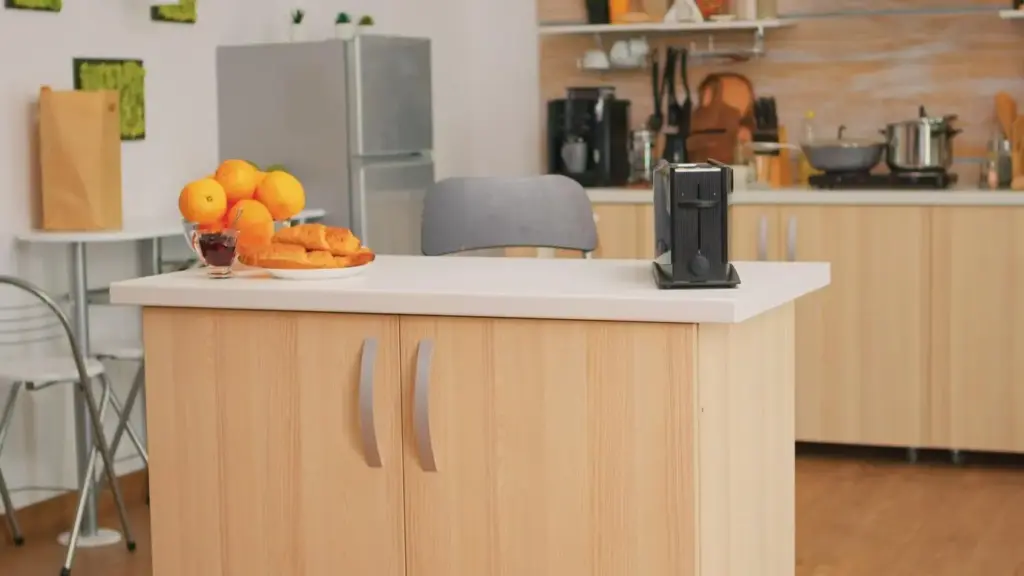
Assign one champion to track documentation, one to vet materials, and one to coordinate trades. Hold milestone reviews where design, construction, and commissioning confirm details together. This integrative rhythm reduces rework, protects budgets, and ensures reclaimed elements arrive on site ready for smooth installation and straightforward certification submissions without last-minute scrambling.
Plan allowances for cleaning, repair, and finishing, plus a flexible reserve for late-breaking finds that elevate the design. Include lead time buffers and consider temporary storage. Transparent line items prevent surprises, help owners make confident decisions, and allow the team to say yes to extraordinary reclaimed opportunities without compromising quality or delivery dates.
Invite readers to subscribe, ask questions, and share their favorite reclaim sources or project photos. Host a small materials swap, publish before–after stories, and credit partners generously. This collaborative spirit spreads practical knowledge, amplifies wellness and climate results, and creates a resilient network that supports future residential projects with enthusiasm and insight.
Temapaxiropatolakize
Privacy Overview

This website uses cookies so that we can provide you with the best user experience possible. Cookie information is stored in your browser and performs functions such as recognising you when you return to our website and helping our team to understand which sections of the website you find most interesting and useful.